
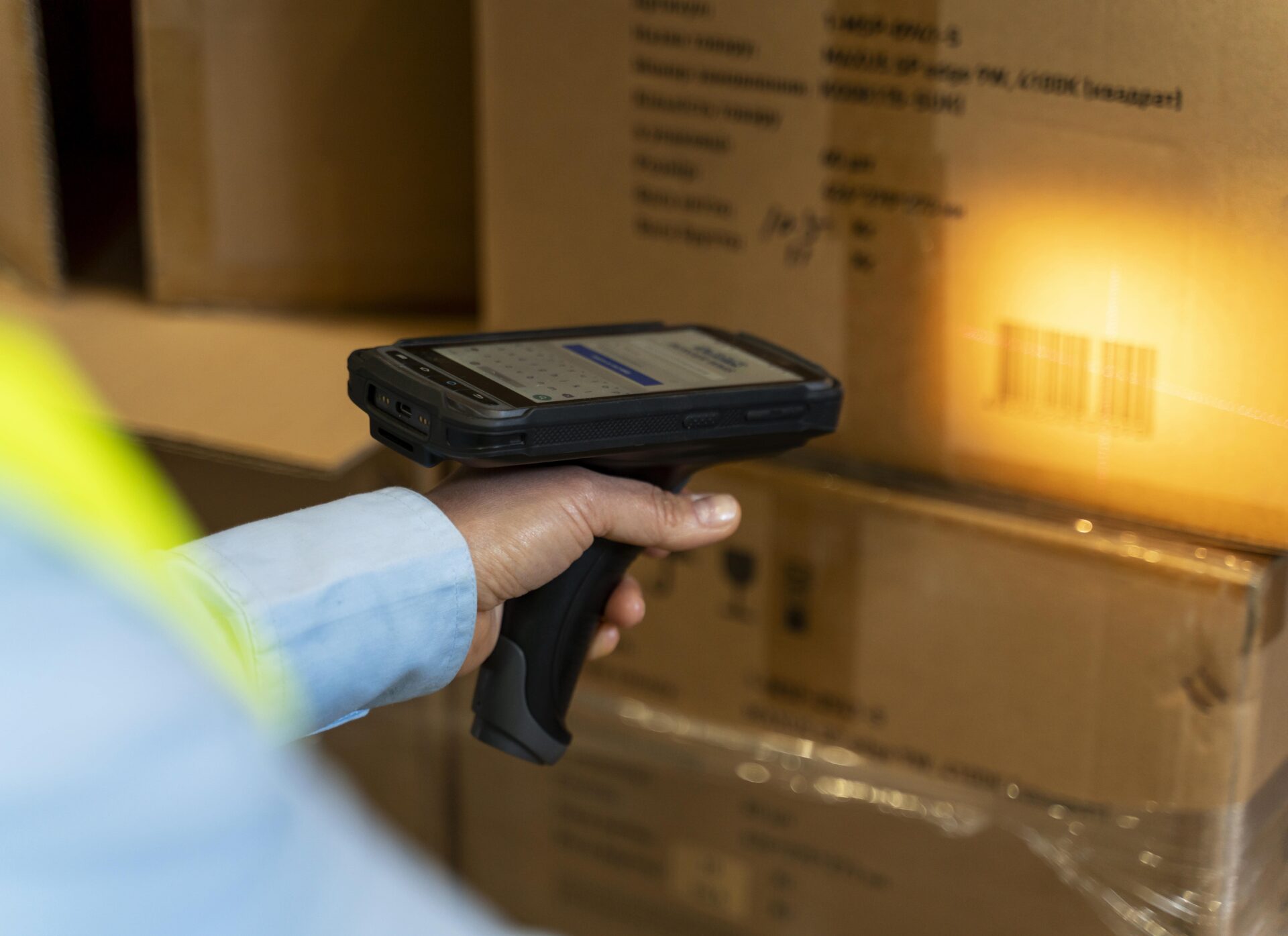
Amazon Standard Identification Numbers (ASINs) are essential for anyone involved in ecommerce. Whether you are a seller, manufacturer, or consumer, understanding ASINs is necessary to navigate Amazon’s extensive online marketplace. In this article, we will explore the fundamentals of ASINs, their significance in ecommerce, how to obtain one, and managing them for success. We will also discuss the future of ASINs and anticipated changes in their usage. So, let’s get started!
What is an ASIN?
An ASIN is a unique identifier assigned to every product in Amazon’s vast inventory. This alphanumeric code is exclusive to Amazon and helps the platform organize and track products efficiently. Basically, an ASIN serves as a digital fingerprint for each individual item, making it easy for Amazon to match products with relevant search queries and customer orders.
ASINs are pivotal for internal operations within Amazon and play a significant role in enhancing the shopping experience for customers. By providing a standardized way to identify products, ASINs contribute to a seamless browsing and purchasing process on the platform. Customers can easily locate specific items and make informed decisions based on the ASIN associated with each product.
The Role of ASIN in Amazon’s Ecosystem
ASINs play a vital role in Amazon’s ecosystem by ensuring the smooth operation of its marketplace. They enable Amazon’s powerful search engine to accurately identify and retrieve products based on customer searches, leading to improved discoverability and increased sales for sellers.
Additionally, ASINs facilitate inventory management and fulfillment processes. When a customer places an order, Amazon uses the ASIN to locate the product in its vast network of fulfillment centers and efficiently ship it to the customer’s doorstep.
Moreover, ASINs are instrumental in Amazon’s recommendation algorithms, which analyze customer behavior and preferences to suggest relevant products. By leveraging ASINs to track customer interactions and purchases, Amazon can personalize product recommendations, ultimately enhancing the shopping experience and driving customer satisfaction.
The Structure of an ASIN
ASINs typically consist of ten characters, comprising a combination of letters and numbers. However, variations exist depending on the category of the product. It’s important to note that ASINs are unique to Amazon and may differ from other types of product identifiers, such as Universal Product Codes (UPCs) or International Standard Book Numbers (ISBNs).
The structure of an ASIN may provide insights into the product itself. For example, certain patterns or sequences within the ASIN could indicate specific attributes of the product, such as its size, color, or edition. Understanding the composition of an ASIN can offer valuable information to sellers and customers alike, aiding in product differentiation and selection.
The Importance of ASIN for Ecommerce
ASINs are important to the success of ecommerce, playing a vital role in product identification and searchability. Let’s explore two key areas where ASINs have a significant impact:
ASIN and Product Identification
ASINs provide a standardized and efficient way of identifying products within Amazon’s marketplace. By using unique ASINs, Amazon prevents confusion between similar products, ensuring that customers find the exact item they are looking for. This accuracy strengthens customer trust and satisfaction.
ASIN’s Impact on Search and Discoverability
When shoppers search for a product on Amazon, ASINs help match their query with the most relevant items. Accurate and optimized ASINs improve a product’s visibility in search results, increasing the likelihood of generating sales and attracting potential customers.
Moreover, ASINs play a crucial role in streamlining inventory management for sellers. By assigning a unique ASIN to each product, sellers can easily track stock levels, monitor sales performance, and make informed decisions regarding restocking or discontinuing items. This level of organization and control is essential for maintaining a competitive edge in the fast-paced world of ecommerce.
ASINs and Customer Experience
ASINs benefit sellers and enhance the overall shopping experience for customers. By utilizing ASINs, ecommerce platforms like Amazon can provide personalized product recommendations based on past purchases and browsing behavior. This tailored approach increases customer engagement and loyalty, leading to repeat business and positive word-of-mouth referrals.
How to Obtain an ASIN
Obtaining an ASIN (Amazon Standard Identification Number) is a critical step in selling products on Amazon. This unique identifier helps Amazon and its customers distinguish between different products, making it easier to manage inventory and facilitate sales. The method you choose to obtain an ASIN depends on whether you are creating a new product listing or joining an existing one.
When creating a New Product Listing on Amazon, it’s essential to provide accurate and detailed information about your product. This includes crafting a compelling title that accurately represents your product, writing a thorough description that highlights its key features and benefits, uploading high-quality images that showcase the product from various angles, and selecting the most relevant category to ensure it reaches the right audience. By meticulously filling out these details, you increase the visibility and credibility of your product, ultimately leading to more sales.
Creating a New Product Listing
If you have a unique product that isn’t already listed on Amazon, you’ll need to create a new product listing. This process involves more than just inputting basic information; it’s an opportunity to differentiate your product from competitors. By conducting keyword research to optimize your product title and description, you can improve its searchability and attract more potential customers. Additionally, utilizing Amazon’s Enhanced Brand Content (EBC) feature allows you to create visually appealing product descriptions that can further entice buyers.
Joining an Existing Product Listing
Joining an existing product listing is a strategic move for sellers looking to piggyback on the success of products that are already popular on Amazon. By associating your product with an existing listing, you can benefit from its established visibility and customer reviews. However, it’s crucial to ensure that your product is identical or at least very similar to the one already listed to maintain the integrity of the ASIN system. This approach can be particularly advantageous for sellers introducing variations of an existing product or offering it at a competitive price point.
Managing ASINs for Ecommerce Success
Once you have your ASINs in place, it’s crucial to manage them effectively to optimize your ecommerce success. There are two areas where proactive management of ASINs is vital:
Managing ASINs goes beyond just listing products on an ecommerce platform. It involves a strategic approach to ensure your products are visible, attractive, and competitive in the online marketplace. In addition to monitoring performance and addressing errors, consider conducting regular keyword research to optimize your product listings for search engines. By incorporating relevant keywords into your ASINs, you can improve their discoverability and attract more potential customers.
Monitoring ASIN Performance
Regularly monitoring your ASINs’ performance is essential to ensure they are effectively reaching your target audience. Analyze metrics such as click-through rates, conversion rates, and customer reviews to gauge the success of your products. Optimizing ASINs based on these insights can drive improved sales and customer satisfaction.
Moreover, consider utilizing A/B testing to experiment with different product titles, images, and descriptions to identify the most effective combinations. By continuously refining your ASINs based on performance data and customer feedback, you can stay ahead of the competition and maintain a strong presence in the ecommerce landscape.
Dealing with ASIN Errors and Issues
Occasionally, ASINs may encounter errors or issues, such as incorrect categorization, missing information, or policy violations. It’s crucial to promptly address these issues to prevent negative impacts on your sales and account health. Regularly review and update your ASINs’ information to ensure accuracy and compliance with Amazon’s guidelines.
Moreover, consider leveraging tools such as inventory management software to streamline the process of managing ASINs and ensuring data consistency across multiple sales channels. By automating routine tasks and centralizing product information, you can reduce the risk of errors and improve operational efficiency in your ecommerce business.
Future of ASINs in Ecommerce
As ecommerce continues to evolve, so do the usage and role of ASINs. Let’s take a glimpse into the future and explore anticipated changes:
Predicted Changes in ASIN Usage
Experts predict that ASINs will become even more critical in ecommerce as the industry expands. With the ever-increasing number of products available, accurate and optimized ASINs will serve as a competitive advantage, ensuring products stand out among the crowd.
Adapting to ASIN Changes for Ecommerce Growth
To harness the power of ASINs in the future, sellers and manufacturers must stay updated on Amazon’s guidelines and best practices. Continuously adapt to any changes in ASIN usage, search algorithms, and marketplace trends to maintain a competitive edge and drive ecommerce growth.
In the dynamic landscape of ecommerce, the future of ASINs holds exciting possibilities. One anticipated change is the integration of AI and machine learning algorithms to enhance ASIN optimization. These technologies will enable automated keyword optimization, pricing strategies, and even predictive analytics to drive sales and improve product visibility.
Moreover, the evolution of ASINs may lead to enhanced cross-platform compatibility. Imagine a future where a single ASIN can seamlessly link products across various ecommerce platforms, streamlining inventory management and expanding reach for sellers.
Transform Your Inventory with Finale
Request a Free consultation (valued at $2,500) and let us tackle solving your biggest inventory management challenges with Finale Inventory and experience the difference Finale Inventory can make for your business.
