
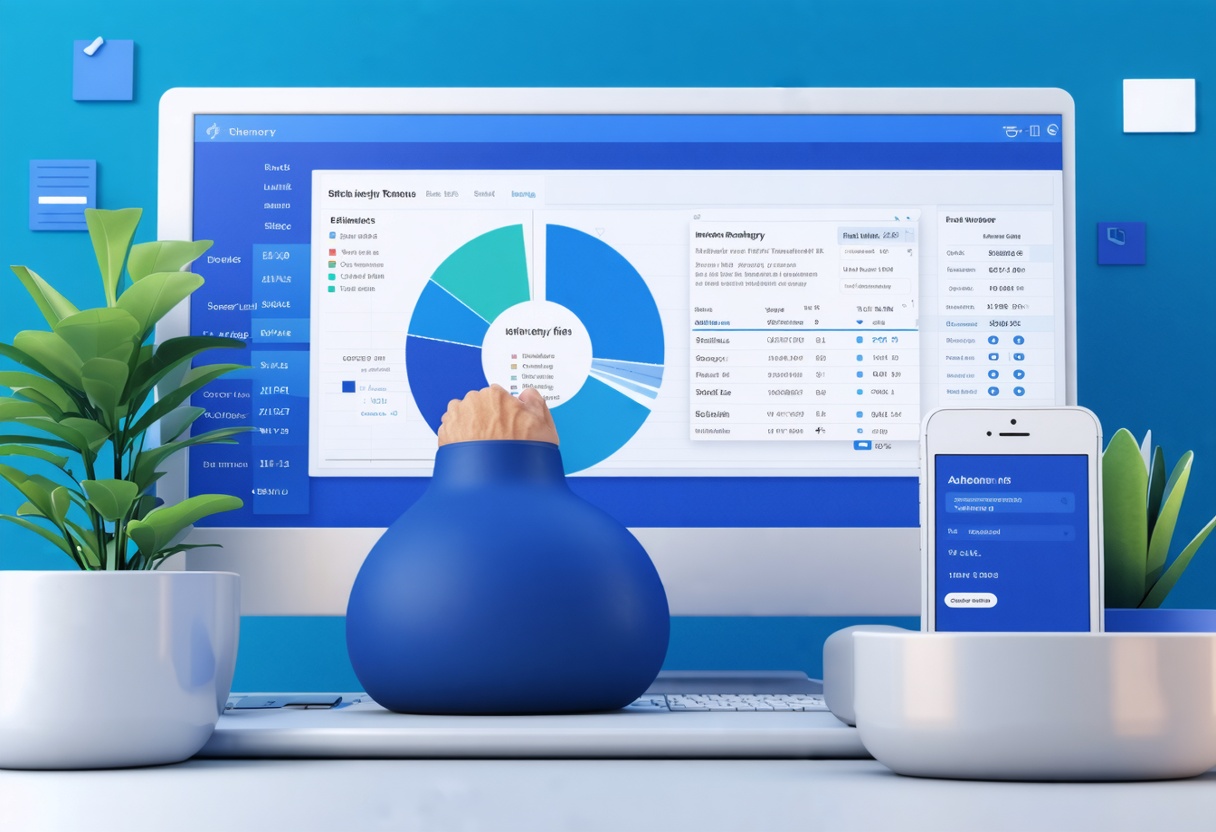
In the fast-paced ecommerce industry, efficient inventory tracking is critical for managing and optimizing your business. Without a reliable system, you risk stockouts, excess inventory, unhappy customers, and reduced profitability. Remote inventory management can help. By utilizing technology and tools like Finale Inventory, you can streamline operations and gain a competitive advantage.
Understanding the Importance of Efficient Inventory Tracking
Effective inventory tracking is the foundation of a successful ecommerce business. It involves closely monitoring and managing your product inventory from the moment it enters your warehouse until it reaches your customers. Inventory management is about more than just having enough stock; it’s about having the right products at the right time.
Implementing efficient inventory tracking systems can streamline your operations and enhance overall business performance. With advanced technologies like barcode scanning, RFID tags, and inventory management software, you can achieve real-time visibility into stock levels, accurately track product movement, and automate reordering based on demand forecasting.
The Role of Inventory Management in Ecommerce
In ecommerce, where customers expect fast shipping and accurate order fulfillment, inventory management is crucial. It ensures you always have the right amount of stock to meet customer demands, reduces the risk of overselling or stockouts, and helps you make informed purchasing decisions.
Effective inventory management can also improve customer satisfaction by minimizing backorders and shipping delays. By maintaining optimal inventory levels and strategically placing stock across multiple fulfillment centers, you can offer faster delivery times and enhance the overall shopping experience for your customers.
The Impact of Inefficient Inventory Tracking
On the other hand, poor inventory tracking can cause significant problems for your business. It can lead to inaccurate inventory levels, missed sales opportunities, or costly emergency shipments. Additionally, inefficient tracking can result in excessive holding costs, as excess stock ties up capital and increases the risk of inventory obsolescence.
Inadequate inventory management can also hurt your bottom line by causing inventory shrinkage due to theft, damage, or obsolescence. Without proper tracking mechanisms, you may struggle to identify and address these issues promptly, leading to financial losses and operational disruptions.
Introduction to Remote Inventory Management
Remote inventory management provides a flexible and efficient way to monitor and control your inventory, regardless of location. It allows you to access real-time stock data, track sales trends, and manage replenishment remotely, ensuring you stay on top of your inventory, even when you’re on the move.
Remote inventory management is a strategic necessity in today’s fast-paced business environment. With the rise of e-commerce and global supply chains, businesses must adapt to the demands of a digital marketplace. This approach allows companies to operate with agility and responsiveness, meeting customer demands and market fluctuations with ease.
Defining Remote Inventory Management
Remote inventory management involves tracking and managing inventory using cloud-based software systems. This technology allows you to access your inventory data from any device with an internet connection, giving you the freedom to manage your inventory without being tied to a specific location.
These systems often come with advanced analytics and reporting capabilities, providing valuable insights into inventory performance. By utilizing these tools, businesses can identify trends, forecast demand, and optimize inventory levels to maximize efficiency and profitability.
The Benefits of Remote Inventory Management
Embracing remote inventory management offers numerous benefits. It provides real-time visibility into stock levels and product performance, enabling data-driven decisions. It also streamlines and automates inventory processes, saving time and reducing the risk of errors. Additionally, remote management allows for seamless integration with ecommerce platforms, ensuring accurate stock updates and efficient order fulfillment.
Remote inventory management promotes collaboration and transparency within your organization. By centralizing inventory data and making it accessible to relevant stakeholders, teams can work together more effectively, aligning their efforts toward common inventory management goals. This approach fosters accountability and efficiency, driving continuous improvement in inventory management practices.
Exploring Finale Inventory: A Tool for Remote Management
Finale Inventory is a powerful cloud-based solution designed to simplify and optimize your inventory management processes. It offers a range of features aimed at helping ecommerce businesses efficiently track their inventory and streamline operations.
Managing inventory remotely has never been easier with Finale Inventory. Whether you’re on the go or working from a different location, this intuitive tool provides the flexibility and control needed to stay on top of your inventory management tasks.
Key Features of Finale Inventory
Finale Inventory includes a comprehensive set of features that make remote inventory management straightforward. Key offerings include real-time stock visibility, order management, barcode scanning, warehouse management, and integrations with popular ecommerce platforms.
Real-time stock visibility is a game-changer for businesses looking to optimize inventory levels. With Finale Inventory, you can track stock movements as they happen, ensuring a clear picture of your inventory status. The order management feature streamlines the process of fulfilling customer orders, allowing you to prioritize and process orders efficiently.
How Finale Inventory Supports Efficient Tracking
With Finale Inventory, you can monitor inventory levels and sales performance in real time, empowering you to make informed decisions on reorder quantities and timing. The barcode scanning functionality ensures accurate data entry, reducing the possibility of human errors. Finale Inventory’s seamless integrations with ecommerce platforms allow for automatic stock updates and order synchronization, eliminating the need for manual data entry.
Efficient tracking is central to Finale Inventory’s value proposition. By leveraging the platform’s data insights, businesses can optimize their inventory management strategies and improve overall operational efficiency. The warehouse management feature helps organize inventory effectively, making it easier to locate and manage stock across multiple locations.
Implementing Finale Inventory for Your Ecommerce Business
Now that you understand the importance of efficient inventory tracking and the benefits of remote management, it’s time to implement Finale Inventory for your ecommerce business.
Managing inventory effectively is key to the success of any ecommerce business. With Finale Inventory, you can streamline inventory processes, reduce stockouts, and improve order fulfillment efficiency. Implementing Finale Inventory is a proactive step toward enhancing business operations and providing a seamless shopping experience for your customers.
Steps to Set Up Finale Inventory
- Choose the right subscription plan that aligns with your business’s needs and requirements.
- Import your existing inventory data into Finale Inventory or set up new products manually.
- Integrate Finale Inventory with your ecommerce platform to automate stock updates and order management.
- Configure replenishment settings and safety stock levels to ensure optimal inventory levels.
- Train your team on how to use Finale Inventory effectively and efficiently.
Setting up Finale Inventory may seem daunting, but with the right approach, you can smoothly transition to this powerful inventory management solution. Take the time to customize the settings according to your business requirements and leverage the robust features offered by Finale Inventory to maximize its potential.
Tips for Maximizing the Use of Finale Inventory
- Regularly review your inventory data to identify slow-moving products and take appropriate action.
- Utilize Finale Inventory’s reporting capabilities to gain insights into your inventory performance and identify areas for improvement.
- Ensure that your team follows proper inventory management practices, such as conducting regular cycle counts and updating stock levels promptly.
- Stay updated with new features and enhancements introduced by Finale Inventory and explore how they can further optimize your inventory management.
By following these tips and best practices, you can fully utilize Finale Inventory and drive efficiency across your ecommerce business. Continuous monitoring and optimization of your inventory processes will not only improve your bottom line but also enhance customer satisfaction, leading to long-term success in the competitive ecommerce landscape.
Overcoming Challenges in Remote Inventory Management
While remote inventory management offers many benefits, it’s important to be aware of the challenges that may arise and how to overcome them.
Remote inventory management has become increasingly important in today’s digital landscape, allowing businesses to streamline their operations and improve efficiency. However, navigating the complexities of remote inventory systems can present various obstacles that need to be addressed for seamless implementation.
Common Obstacles in Implementing Remote Inventory Systems
Some common challenges include the initial setup and integration process, the need for employee training, and ensuring data security and privacy. The initial setup phase can be challenging, requiring meticulous attention to detail to ensure all systems are interconnected and functioning smoothly. Employee training is essential to guarantee that your team is well-equipped to utilize the remote inventory system effectively. Additionally, data security and privacy concerns are paramount, necessitating robust measures to safeguard sensitive information.
With proper planning, adequate training, and by choosing a reputable software provider like Finale Inventory, these challenges can be successfully addressed. Finale Inventory offers comprehensive solutions to streamline the implementation process and mitigate potential risks, providing businesses with the confidence to embrace remote inventory management.
Solutions and Strategies for Effective Management
To ensure effective management of your remote inventory, it’s important to establish clear processes and workflows. Regularly review your inventory reports and make data-driven decisions. Encourage open communication with your team and seek their input and feedback to continuously improve your inventory management practices. By fostering a collaborative environment and using advanced inventory management tools, businesses can optimize their operations and enhance overall productivity.
With the power of remote inventory management and the advanced features offered by Finale Inventory, you can take control of your inventory and achieve efficient tracking, ultimately driving the success of your ecommerce business. By implementing best practices and leveraging innovative solutions, businesses can overcome challenges and unlock the full potential of remote inventory management, paving the way for sustainable growth and operational excellence.
Transform Your Inventory with Finale
Request a Free consultation (valued at $2,500) and let us help solve your biggest inventory management challenges with Finale Inventory. Experience the difference Finale Inventory can make for your business.
