
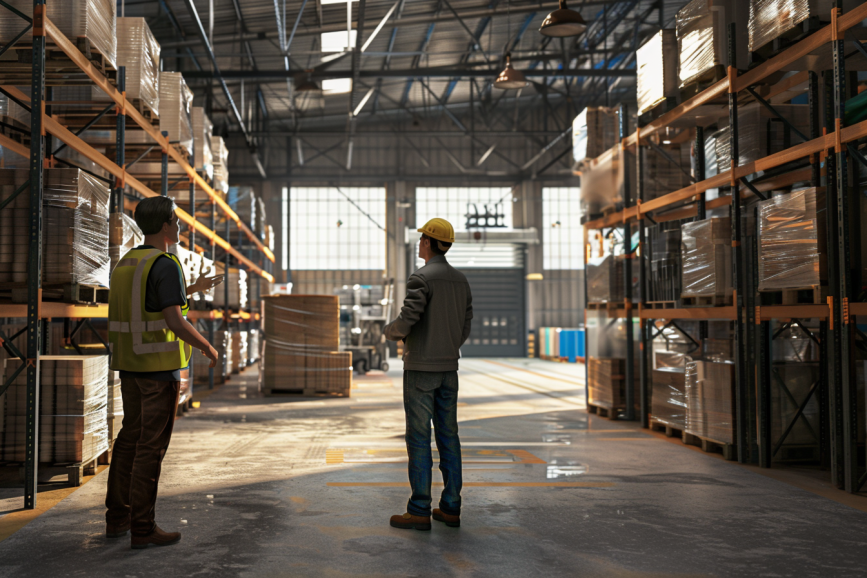
When it comes to ecommerce, the efficiency of a warehouse is vital in meeting customer demands and maintaining profitable operations. A well-designed warehouse layout maximizes space utilization and enhances workflow efficiency. This article will cover the importance of warehouse layout design, key factors influencing it, steps involved in creating an efficient layout, common challenges, and future trends.
Understanding the Importance of Warehouse Layout Design
Efficient warehouse layout design is necessary for streamlining operations and optimizing space use. A well-designed layout ensures goods can be stored, retrieved, and shipped efficiently. This results in faster order processing times, reduced labor costs, and improved customer satisfaction.
A well-planned warehouse layout also boosts employee productivity and morale. By minimizing time spent searching for items and reducing unnecessary movements, workers can focus on more value-added tasks, leading to a smoother workflow and a happier workforce.
The Role of Warehouse Layout in Ecommerce
In ecommerce, where quick delivery is essential, an optimal warehouse layout becomes even more important. It enables the efficient handling of a large volume of orders, reduces errors, and improves order accuracy. The right layout accommodates different product categories and facilitates easy inventory management.
A well-organized warehouse layout directly impacts customer satisfaction. With orders being processed and shipped promptly, customers receive their purchases on time, leading to increased trust and loyalty towards the brand.
Key Factors Influencing Warehouse Design
Several factors play a significant role when designing a warehouse layout. One primary consideration is the nature of the products being stored. Perishable goods may require specific temperature-controlled areas, while fragile items might need specialized storage equipment. The volume and frequency of inventory movement, as well as the size and weight of the goods, also impact the design. Additionally, safety regulations and compliance requirements are important to ensure a safe working environment.
Another important factor in warehouse design is scalability. As businesses grow and evolve, the warehouse layout should be flexible enough to adapt to changing needs and accommodate increased storage requirements. Incorporating scalability into the initial design phase can save time and resources in the future by avoiding frequent layout modifications.
Principles of Efficient Warehouse Layout Design
Designing an efficient warehouse layout involves considering various principles aimed at maximizing space utilization and optimizing workflow.
When designing a warehouse layout, consider safety measures such as clear aisle markings, proper lighting, and designated walkways to prevent accidents and ensure a secure working environment for employees.
Space Utilization in Warehouse Design
An effective warehouse layout makes the most efficient use of available space. This includes utilizing vertical space through mezzanine floors or high stacking while ensuring easy access to goods. Implementing proper racking and shelving systems, utilizing narrow aisles, and using optimized storage configurations can significantly increase warehouse capacity.
Keep in mind flexibility when considering warehouse space utilization. A well-designed layout allows for easy reconfiguration to accommodate changing inventory needs or operational requirements. This adaptability ensures the warehouse can evolve with the business and remain efficient in the long run.
Workflow Optimization in Warehouse Layout
An optimized workflow ensures the smooth movement of goods within the warehouse. This can be achieved by establishing logical and efficient routes for receiving, storage, order picking, and shipping processes. By minimizing movement and reducing unnecessary steps, overall efficiency can be greatly improved.
Technology plays a vital role in optimizing workflow in modern warehouse design. Implementing automated systems for inventory management, order processing, and material handling can streamline operations, reduce errors, and increase productivity. Integrating technologies such as barcode scanners, RFID systems, and warehouse management software can enhance efficiency and accuracy in warehouse processes.
Steps to Design an Efficient Warehouse Layout
Designing an efficient warehouse layout involves a systematic approach considering various influencing factors. The following steps can guide you through the process:
Assessing Your Warehouse Needs
The first step is to assess your specific requirements. This includes analyzing your inventory levels, order volume, and storage needs. Consider future growth and expansion plans to ensure a layout that can accommodate changing demands.
When assessing your warehouse needs, consider the types of products you handle. Different products may require different storage solutions, such as pallet racking for heavy items or shelving for smaller goods. Understanding the nature of your inventory will help design a layout that maximizes efficiency and minimizes handling time.
Planning Your Warehouse Layout
Once you understand your needs, plan the layout. Develop a floor plan that optimizes space utilization, considering factors such as product flow, storage systems, and equipment placement. Utilize advanced software tools or seek professional guidance to create an accurate and efficient layout.
Consider incorporating designated zones within your layout to streamline operations. These zones can include receiving areas, picking and packing zones, and shipping areas. Strategically organizing these zones within the layout can create a smooth workflow that minimizes unnecessary movement and boosts productivity.
Implementing Your Warehouse Design
After finalizing the layout plan, implement it. This involves physically setting up the warehouse with designated storage systems, equipment, and signage according to the layout. Ensure safety measures are in place and the layout is flexible enough to accommodate future changes if necessary.
Overcoming Common Warehouse Layout Challenges
Designing a warehouse layout comes with its fair share of challenges. However, proper planning and creative solutions can effectively address these challenges.
Consider future growth projections when designing a warehouse layout. Anticipating expansion requirements can help design a layout that is flexible and scalable, allowing seamless adjustments as the business evolves over time.
Dealing with Limited Space
One common challenge is limited space availability. In such cases, maximizing vertical space utilization by using mezzanine floors, high stacking, and compact storage systems becomes essential. Implementing efficient material handling equipment and adopting innovative storage solutions, such as mobile racking systems, can also help overcome space limitations.
Optimizing workflow processes and reevaluating inventory management strategies can contribute to better space utilization. Conducting a thorough analysis of space usage patterns and implementing lean principles can help make the most of available space without compromising operational efficiency.
Managing High Volume Inventory
As an ecommerce business grows, managing high-volume inventory can become challenging. Implementing automated storage and retrieval systems, investing in advanced inventory management software, and utilizing efficient picking and sorting methods can help manage large inventories more effectively.
Establishing clear inventory categorization and labeling systems can streamline inventory tracking and retrieval processes, reducing the likelihood of errors and improving overall inventory accuracy. Leveraging technology such as barcode scanning and RFID systems can enhance inventory visibility and control, enabling smoother operations even with high volume inventory levels.
The Future of Warehouse Layout Design
As technology continues to advance, warehouse layout design is expected to evolve to meet changing demands and trends. The future of warehouse layout design holds exciting possibilities, driven by technological innovations and a focus on sustainability.
Technological Innovations in Warehouse Design
New technologies such as robotics, automation, and artificial intelligence are revolutionizing warehouse operations. These innovations lead to more efficient order picking systems, improved inventory management, and enhanced warehouse optimization. For example, autonomous robots can navigate through the warehouse, picking and packing items with precision and speed. This reduces human error and increases productivity, allowing businesses to fulfill orders faster and more accurately.
Artificial intelligence plays a significant role in warehouse layout design. AI-powered systems can analyze data and make real-time decisions, optimizing the placement of items based on their popularity and demand. This intelligent approach ensures frequently ordered products are easily accessible, minimizing the time it takes to fulfill customer orders.
Sustainability in Warehouse Layout Design
The future of warehouse layout design also emphasizes sustainability. Businesses are increasingly adopting eco-friendly practices that minimize waste, conserve energy, and reduce their carbon footprint. Implementing sustainable design principles, such as energy-efficient lighting and recycling systems, can contribute to environmental preservation and cost savings.
One innovative approach to sustainable warehouse design is the use of green roofs. These roofs are covered with vegetation, providing insulation and reducing the energy needed to cool or heat the warehouse. Additionally, rainwater harvesting systems can collect and reuse water, reducing reliance on traditional water sources.
Integrating renewable energy sources is another aspect of sustainable warehouse design. Solar panels can be installed on the roof or surrounding areas, generating clean energy to power warehouse operations. This reduces the carbon footprint and lowers energy costs in the long run.
By incorporating sustainable practices into warehouse layout design, businesses can contribute to a greener future while benefiting from cost savings and improved brand reputation.
The future of warehouse layout design holds immense potential for businesses. Technological advancements, such as robotics and artificial intelligence, will continue to revolutionize warehouse operations, improving efficiency and productivity. Emphasis on sustainability will drive businesses to adopt eco-friendly practices, reducing their environmental impact and enhancing their bottom line. By embracing these future trends, businesses can stay ahead of the competition and create warehouses that are both efficient and environmentally responsible.
Transform Your Inventory with Finale
Request a Free consultation (valued at $2,500) and let us tackle your biggest inventory management challenges with Finale Inventory and experience the difference Finale Inventory can make for your business.
