

Defining Raw Materials
Raw materials are the fundamental building blocks in production processes, representing the unprocessed materials that are transformed into finished goods. These materials are integral to supply chain management (SCM) as they influence every stage, from procurement to production. In warehouse and inventory management, it is important to handle raw materials well. This helps keep production running smoothly without delays. Accurate tracking of raw material levels in real-time is crucial to maintaining supply chain agility and responsiveness.
The Formulas Involved in Raw Material Management
Calculating the Cost of Raw Materials
To accurately determine the cost of raw materials, ecommerce businesses need to consider several factors. A common formula used for this purpose is:
Cost of Raw Materials = (Opening Inventory + Purchases) – Closing Inventory
By applying this formula, businesses can calculate the precise cost of the raw materials used in the manufacturing process. This information is invaluable for understanding and managing expenses associated with production.
The cost of raw materials is a big part of what a business spends; this is important to remember. By accurately calculating this cost, companies can make informed decisions regarding pricing strategies, production volumes, and budget allocations.
Formulas for COGS
Knowing your Cost of Goods Sold (COGS) is crucial because it directly affects your gross profit margin and overall profitability. By understanding COGS, you can:
- Set Pricing Strategies: Accurate COGS helps determine the right pricing to ensure profitability.
- Manage Inventory Costs: Identifies how much you’re spending on inventory, helping to control costs and optimize stock levels.
- Evaluate Financial Performance: Provides insight into the efficiency of production and the effectiveness of cost control measures.
COGS = Beginning Inventory + Purchases − Ending Inventory
Here’s a breakdown of the components:
- Beginning Inventory: The value of inventory at the start of the period.
- Purchases: The cost of additional inventory bought during the period.
- Ending Inventory: The value of inventory remaining at the end of the period.
COGS should be updated regularly to reflect changes in inventory and purchases. For most businesses, updating COGS monthly aligns with financial reporting cycles. Companies that change their inventory quickly or need real-time data may need more frequent updates. These updates could be weekly or daily. This helps them make better decisions.
Formulas for Inventory Turnover and Efficiency
Inventory turnover and efficiency are key performance metrics in the ecommerce industry. They indicate how effectively we utilize and replenish raw materials. Here are two essential formulas to assess inventory turnover:
Inventory Turnover = Cost of Goods Sold / Average Inventory
Inventory Efficiency = (Cost of Goods Sold / Total Inventory Holding Cost) x 365
These formulas help businesses gauge their efficiency in managing raw materials inventory, enabling them to make informed decisions and optimize their operations accordingly.
Understanding inventory turnover and efficiency is crucial for maintaining a healthy cash flow and ensuring that working capital is effectively utilized. By monitoring these metrics and making adjustments as needed, businesses can streamline their operations and improve their bottom line over time.
Supply Chain Visibility and Traceability
Real-time tracking of raw materials is vital for supply chain visibility and traceability. With advanced inventory management systems, businesses can monitor the movement of raw materials from manufacturing to supplier facilities, ensuring that each batch arrives on time and meets quality standards.
This visibility helps identify potential bottlenecks and enables businesses to act swiftly in case of disruptions, reducing the risk of production delays.
Lean Manufacturing Principles Applied to Raw Materials
Lean manufacturing principles are closely tied to JIT strategies, with the goal of maximizing value while minimizing waste. This approach focuses on streamlining processes and eliminating non-value-added activities. By applying lean principles, businesses can reduce excess raw material inventory, minimize handling and storage costs, and improve overall efficiency. Lean manufacturing also emphasizes continuous improvement, encouraging organizations to regularly assess their processes and identify areas for optimization.
Raw Materials and Just-in-Time (JIT) Inventory
Just-in-Time (JIT) inventory management is a lean approach that aligns raw material procurement with production schedules, reducing holding costs and minimizing waste. By receiving materials only when they are needed for production, companies can avoid overstocking and lower the risk of material obsolescence. JIT requires precise demand forecasting and strong relationships with suppliers to ensure timely deliveries, helping to keep inventory levels lean without compromising production schedules.

Material Requirements Planning (MRP) in Manufacturing
Material Requirements Planning (MRP) systems are designed to optimize raw material usage by aligning procurement with production schedules. MRP systems calculate the exact quantities of raw materials needed to meet production demands, helping businesses avoid both shortages and overstocking.
With MRP, businesses can make plans for production. This helps match the materials they have with their manufacturing schedules. It ensures that people use resources well and that production stays on schedule.
Example of Material Requirements Planning (MRP)
Let’s say you are a furniture manufacturer. You need to produce 100 tables for the month. To ensure everything ran smoothly, you used the Material Requirements Planning (MRP) system to determine the required materials. The system calculated that 400 pieces of wood, 200 screws, and 100 pieces of glass were needed.
Checking the inventory, the system found you have 150 pieces of wood, 180 screws, and 50 pieces of glass currently in stock. The MRP system highlighted the shortfalls: 250 pieces of wood, 20 screws, and 50 pieces of glass are still needed to make the 100 tables.
Advanced Analytics and Predictive Forecasting
Advanced analytics and predictive forecasting have revolutionized raw material management by enabling businesses to anticipate future demand and adjust procurement strategies accordingly. By analyzing historical data and market trends, companies can predict when to replenish raw materials, reducing the likelihood of stockouts or excess inventory. Predictive analytics also help identify potential supply chain disruptions, allowing businesses to proactively mitigate risks and ensure a steady flow of materials.
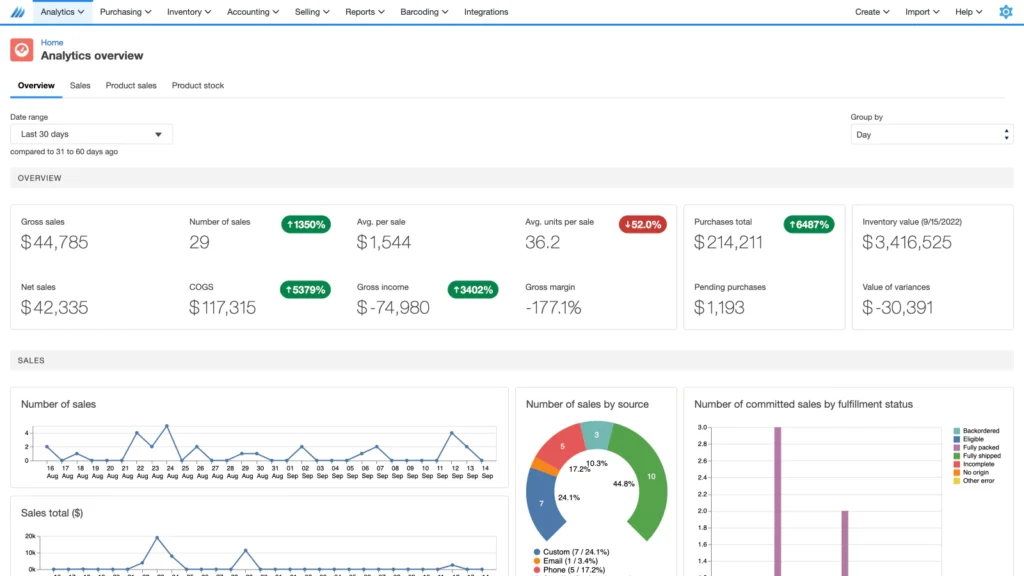
Advanced analytics and a predictive forecasting software can provide several key metrics to help manage raw materials effectively including but not limited to:
- Demand Forecast Accuracy: Measures how closely predicted demand aligns with actual usage, helping to refine forecasting models.
- Inventory Turnover Ratio: Indicates how often inventory is sold and replaced over a period, guiding optimal stock levels.
- Stockout Rate: Tracks the frequency of running out of stock, helping to identify areas where inventory levels may be insufficient.
- Lead Time: Measures the time taken from placing an order to receiving raw materials, aiding in better planning and reducing delays.
- Safety Stock Levels: Determines the buffer stock needed to prevent stockouts during unexpected demand spikes or supply disruptions.
- Carrying Costs: Calculates the total costs associated with holding inventory, including storage, insurance, and obsolescence, which helps in optimizing inventory levels.
- Order Fulfillment Rate: This shows the percentage of orders fulfilled on time and in full, reflecting the effectiveness of inventory management and procurement strategies.
- Supplier Performance Metrics: Evaluates supplier reliability, delivery times, and quality of materials, aiding in better supplier management and risk mitigation.
- Markup: added percentage of the cost to the price of their product to ultimately make a profit.
Depending on which system or platform you use for analytics or forecasting, this information may come in the form of a dashboard or a report. A robust IMS system or ERP can handle this with ease.
Inventory Accuracy and RM Stockout Prevention
Preventing stockouts of raw materials is critical to maintaining production schedules and meeting customer demand. Inventory accuracy plays a key role in this process, as inaccurate data can lead to unexpected shortages or overstocking.
Regular cycle counts and audits can help ensure that inventory records align with actual stock levels. Implementing automated inventory management systems can further enhance accuracy by providing real-time updates on raw material levels, helping to prevent costly disruptions.
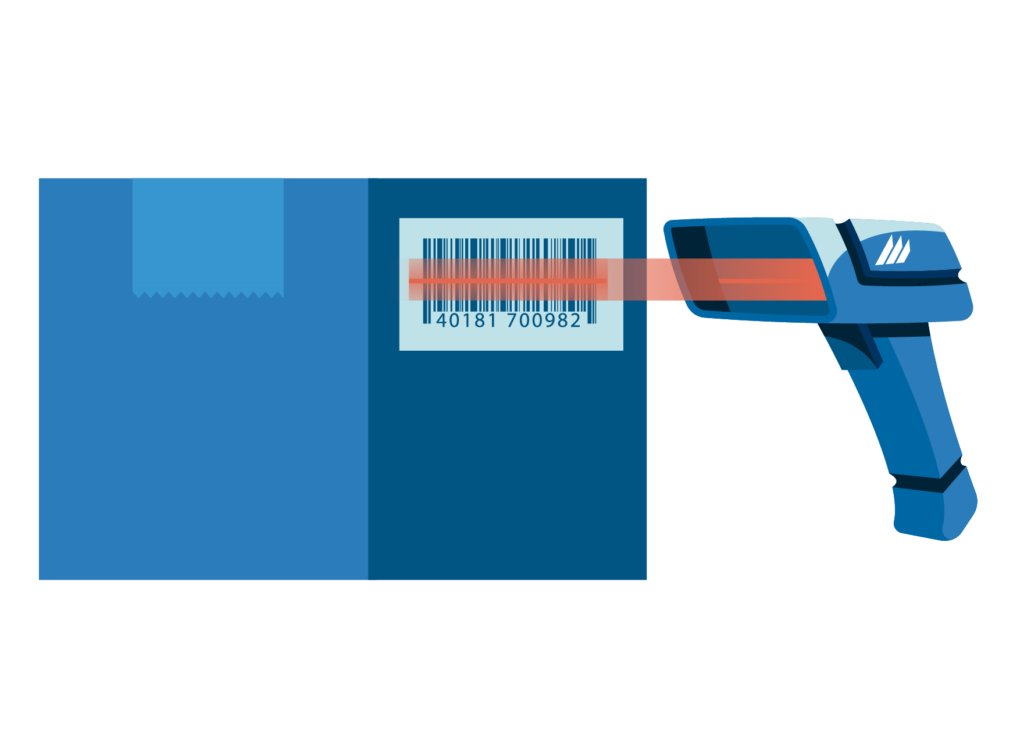
Common Reasons for Stockouts
Stockouts can occur for various reasons, including:
- Inaccurate Inventory Data: Errors in record-keeping or data entry can lead to discrepancies between actual stock levels and what is reported.
- Demand Forecasting Errors: Misjudgments in predicting future demand can result in ordering too little or too much inventory.
- Supply Chain Disruptions: Delays or interruptions in the supply chain, such as transportation issues or supplier problems, can prevent timely restocking.
- Production Delays: Issues in the production process, such as equipment breakdowns or labor shortages, can impact material usage and availability.
- Poor Inventory Management: Inefficient inventory practices, such as inadequate safety stock or infrequent cycle counts, can lead to stockouts.
- Unexpected Demand Spikes: Sudden increases in customer orders or seasonal demand can outpace current inventory levels.
- Supplier Reliability Issues: Problems with suppliers, such as quality issues or missed deliveries, can affect the availability of raw materials.
- Order Fulfillment Errors: Mistakes in order processing or picking can lead to incorrect inventory levels and unfulfilled customer orders.
Raw Materials Quality Control, Compliance, and Lot ID/Serialization Tracking
In industries where traceability is mandatory, such as pharmaceuticals, food and beverage, and electronics, quality control and compliance are non-negotiable. Lot IDs and serialization tracking are essential tools for ensuring that each batch of raw materials can be traced back through the supply chain. This capability is critical for identifying and addressing quality issues, managing recalls, and meeting regulatory requirements. By implementing robust tracking systems, businesses can enhance transparency, protect consumer safety, and maintain compliance with industry standards.
In a pharmaceutical manufacturing facility, for example, the production batch is assigned a Lot ID, such as LOT123456. This Lot ID allows the facility to track all tablets from that specific production batch. If a quality issue is discovered, the Lot ID helps in tracing and recalling the affected tablets.
Serialization is when each item manufactured gets a unique serial number. For instance, a smartphone might have a Serial Number like SN20240901-001. This unique identifier allows the company to track each individual device throughout its lifecycle, from manufacturing and distribution to sales and warranty service. If a specific phone has a defect, the Serial Number helps in identifying and addressing the issue for that particular unit.
Lot IDs and serialization are essential for effective raw material management. Lot IDs provide traceability and quality control by tracking batches from source to production, facilitating quick resolution of issues and ensuring consistent quality. Serialization offers detailed tracking of individual units, enhancing inventory management and preventing loss. Together, these practices improve oversight, compliance, and efficiency in managing raw materials throughout the supply chain.
Cost-Saving Opportunities
There are several cost-saving opportunities in raw material procurement that can significantly impact a company’s bottom line. Bulk purchasing is one way to reduce costs, as suppliers often offer discounts for larger orders. Negotiating supplier discounts based on long-term contracts or consistent order volumes can also result in savings. Additionally, sourcing raw materials from alternative suppliers—especially local or regional sources—can reduce shipping costs and lead times, further lowering overall expenses.

Tip: By building a strong relationship and negotiating long-term agreements, you can leverage your buying power for better discounts and terms. Additionally, regularly review market conditions and supplier performance to identify opportunities for cost reduction and ensure you are getting the best deals available.
Raw Material Safety Stock
Safety stock is the buffer of raw materials that a company keeps on hand to protect against supply chain disruptions, demand fluctuations, or production delays. While JIT inventory management focuses on minimizing stock levels, maintaining a small safety stock ensures that production can continue even if there are unforeseen supply chain issues.
The key is finding the right balance between having enough safety stock to prevent disruptions while avoiding the costs associated with overstocking.
Bill of Materials (BOM) used in Manufacturing
A Bill of Materials (BOM) is a comprehensive list of all raw materials, components, and assemblies required to build a product. Effective BOM management is crucial for production planning, as it helps ensure that the necessary materials are available when needed. Accurate BOMs also enable better tracking of raw material usage, allowing businesses to optimize procurement and minimize waste. By keeping BOMs up to date, companies can streamline their production processes and improve overall efficiency.
A common mistake people make with Bills of Materials (BOMs) is failing to update them regularly. As product designs and production processes evolve, BOMs need to reflect these changes accurately. When BOMs are outdated, it can lead to several issues.
Managing Raw Materials
Managing raw materials within the supply chain and inventory management requires a multi-faceted approach that balances cost efficiency, quality control, and responsiveness. By leveraging advanced technologies like predictive analytics, MRP systems, and real-time tracking, businesses can optimize their raw material management and gain a competitive edge in their industry. Emphasizing principles such as JIT inventory management, lean manufacturing, and safety stock planning ensures that operations run smoothly, minimizing waste and maximizing value throughout the supply chain.
Transform Your Inventory with Finale
Request a Free $2,500 Consultation and let us tackle solving your biggest inventory management challenges with Finale Inventory and experience the difference Finale Inventory can make for your business.
