
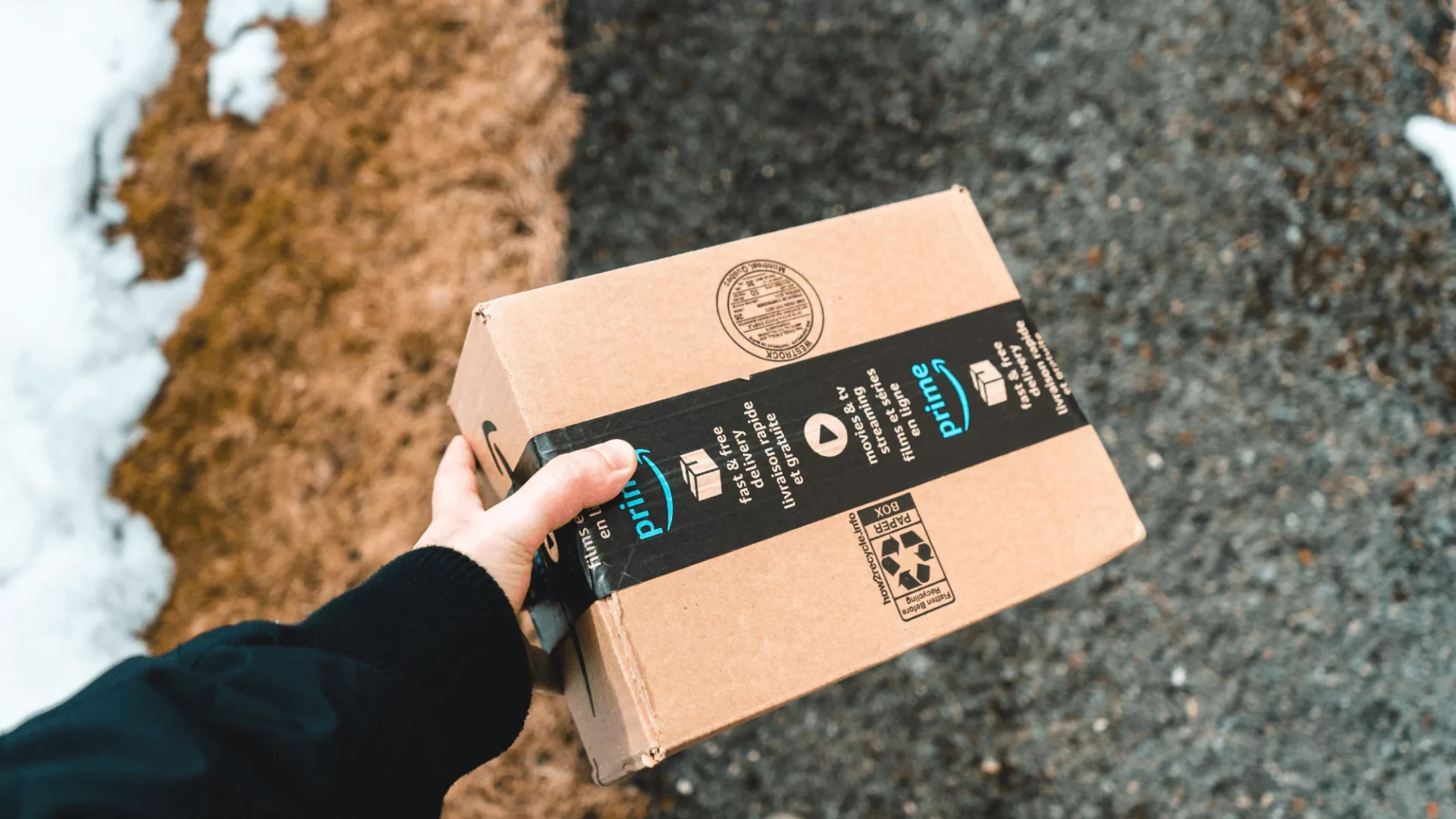
FBA is a service offered by Amazon marketplace that takes the entire fulfillment process off your plate. The logistical nightmare of storing, picking, packing, and shipping is all taken off of your hands.
Fulfillment by Amazon (FBA) lets you ditch the fulfillment headaches and focus on what you do best – growing your brand and making killer products. Amazon takes care of everything from storage to shipping, freeing you up to focus on what truly matters: scaling your business and delighting your customers.
Read more: What is FBA and Why Should My Business Use It?What is FBA?
Forget the days of scrambling to fulfill orders yourself. Fulfillment by Amazon (FBA) offers a powerful solution for high-growth Shopify businesses like yours to expand brand awareness. You know the complexities of fulfilling orders in your own warehouse. Now, imagine: a customer clicks “purchase” on their Amazon app which kickstart’s Amazon’s fulfillment processes and vast network: products are retrieved from strategically located warehouses, meticulously packed, and shipped off, often reaching the customer’s doorstep within two days or even faster.
In essence, FBA takes the entire fulfillment burden off your shoulders. Here’s how:
- You ship your inventory to Amazon’s fulfillment centers, and they handle everything from storage and picking to packing, shipping, and even customer service for those orders.
That’s it. One step. While this frees up your team to focus on core business activities like product development, marketing, and scaling your brand, it also ensures a high quality customer experience. A recipe for success for future purchases.
Think of it as an all-in-one solution for businesses of all sizes who want to streamline their operations and free up valuable order fulfillment time and labor resources. That said, while FBA offers incredible benefits, mastering it requires timely and efficient inventory management, with the convenience and efficiency coming with fees attached. While some commission fees are par for the course, penalty fees are avoidable.
How to avoid those fees? Having real-time insights into stock levels, knowing when to reorder, and strategically managing shipments with the right products at the right time to avoid stockouts and costly fees. This is where an inventory management system like Finale Inventory comes in.
By integrating seamlessly with your FBA and Shopify accounts, Finale provides the tools and data you need to optimize your fulfillment strategy. We automate tasks, generate reports, and ensure you have the right inventory in the right place at the right time.
Benefits of Using FBA
Now that you understand the basics of FBA, let’s take a closer look at the benefits this solution can offer your business.
1. Increased Sales Potential
When selling on FBA, many sellers report it becoming their largest sales channel (or close to it). FBA products are eligible for several benefits that can translate into increased sales:
- Prime badge: Your products gain the coveted Prime badge, instantly recognizable to millions of Prime members who are more likely to choose Prime-eligible products.
- Increased visibility: FBA products are often featured prominently on Amazon search results and product pages, enhancing their visibility and driving sales.
2. Effortless Scalability
As your business grows, your fulfillment needs will evolve. FBA seamlessly adapts to your changing needs, eliminating the need for you to invest in additional infrastructure or personnel to manage increased order volume. This allows you to:
- Focus on growth: You can confidently expand your product offerings and customer base without worrying about fulfillment limitations.
- Maintain consistent service: Even during periods of peak demand, FBA ensures your customers receive the same prompt and reliable service they expect.
3. Reduced Overhead Costs
Running your own fulfillment operation requires significant investment in warehouse space, packaging materials, and personnel. FBA eliminates these expenses by handling storage, picking, packing, and shipping for you. This translates to:
- Reduced operational costs: You free up capital previously dedicated to fulfillment, allowing you to invest in other areas of your business, such as marketing or product development.
- Increased efficiency: FBA utilizes advanced systems and economies of scale to streamline the fulfillment process, minimizing costs and maximizing efficiency.
4. Faster Fulfillment and Prime Eligibility
Time is everything when it comes to ecommerce sales – customers expect their orders to arrive quickly, and FBA not only excels in this regard but set the standard for two-day delivery. By storing your products in strategically located Amazon fulfillment centers across the country, you can offer faster delivery times but, more importantly, a wider reach.
- Brand discoverability: FBA offers a significant advantage by placing your products front and center on a platform where millions of consumers actively search for what you’re selling. Amazon is a go-to destination for product discovery, and with FBA, your products gain increased visibility, putting them directly in the path of potential buyers. Shoppers today are no longer going to Google when searching for products: 61% of US consumers begin their product hunt on Amazon.
5. Improved Customer Experience
Ultimately, a positive customer experience is paramount for success. FBA contributes to customer satisfaction in several ways:
- Faster deliveries: Customers receive their orders quickly and conveniently, exceeding their expectations.
- Simplified returns: FBA streamlines the return process, making it easier for customers to return unwanted items, fostering trust and loyalty.
FBA Considerations
While the basic workings of FBA are straightforward, understanding some additional details can help you decide if it’s the right selling platform for your business. As much as FBA is touted as a driver for sales, it is also known to come with its own nuances to selling. Here are some additional points to consider:
1. Product Eligibility
Not all products are eligible for FBA. Amazon has specific size, weight, and category restrictions in place. You can easily check your product’s eligibility through your Seller Central account or by using Amazon’s online tool, but generally, products that are:
- Smaller and lighter: Apparel, electronics, and household goods tend to fare well with FBA.
- Non-perishable: Food items with expiration dates may not be eligible.
- Non-hazardous: Flammable liquids or other hazardous materials are typically prohibited.
2. Amazon Inventory Management
Efficient inventory management is paramount for FBA success. Here’s what you need to be mindful of:
- Storage fees: Amazon charges storage fees based on product size and storage duration. Understanding these costs is crucial for setting profitable pricing strategies.
- Stock levels: Avoid stockouts that disappoint customers or overstocking that incurs unnecessary storage fees. Finale Inventory can help you optimize inventory levels through real-time data and automated forecasting, reordering, and procurement.
- Shipping plans: Creating accurate shipping plans ensures your products are routed efficiently through Amazon’s fulfillment network. Finale can assist with this process as well.
3. FBA Fulfillment Fees
This is a big one to note. FBA comes with associated fees that vary depending on product size, weight, handling, and storage time. These rules ensure fair pricing for consumers and a level playing field for sellers. Here’s a breakdown of the general range for FBA fulfillment fees:
- Per-item fees: These vary depending on product size and weight but typically range from $2.00 to $5.00 for smaller and lighter items
- Storage fees: As mentioned earlier, storage fees are based on product size and storage duration. These typically range from $0.65 to $2.35 per cubic foot per month.
4. Amazon Pricing Strategy
Since Amazon marketplace and FBA fees can impact your bottom line considerably, it’s crucial to understand how to calculate them accurately. Amazon provides a Fulfillment Fee Preview tool within Seller Central that allows you to estimate fees for specific products. That said, here are some key considerations for developing an effective FBA pricing strategy:
- Cost analysis: Start by understanding all your product costs, including manufacturing, materials, shipping, and FBA fees.
- Market research: Analyze competitor pricing for similar products on Amazon. Consider offering a slight price advantage to attract customers initially.
- Profit margins: Set a price that allows you to cover all your costs and generate a healthy profit margin.
- Amazon’s MAP policy: Be aware of any minimum advertised price (MAP) restrictions that may apply to your products, which can influence your minimum selling price.
5. Returns and Refunds
FBA also manages returns and refunds for FBA orders. Understanding Amazon’s return policies and the associated fees is crucial to avoid unexpected costs.
For example, let’s say a customer changes their mind and returns a t-shirt you sell through FBA. While Amazon will cover the return shipping cost, you may be responsible for a small refund administration fee, typically around $5.00 or 20% of the refunded amount (whichever is less). Understanding these potential fees is essential for accurate cost forecasting and maintaining healthy profit margins.
It’s important to acknowledge that the e-commerce landscape and Amazon’s policies within it, are constantly evolving. While Amazon strives to provide advanced notice for any changes to its fulfillment fees or return policies, these updates can require sellers to adapt quickly. Having a system in place to monitor these changes and adapt quickly can be a challenge, especially for businesses with limited resources.
Streamlining Fulfillment for Multichannel Sellers
While understanding FBA’s intricacies empowers informed decisions, managing it can become cumbersome for multichannel sellers. Imagine juggling multiple marketplaces – each with its own fulfillment system and login. Seller Central, Amazon’s seller portal, is a powerful tool, but constantly switching between platforms across different browser tabs can quickly become a time-consuming headache.
This is where Finale Inventory steps in, integrating your webstore or offline sales channels with data from your existing Seller Central account. Finale acts as a centralized hub, providing real-time insights across all your sales channels in one pane of glass.
Remember, FBA can be a game-changer for your ecommerce business, and with the right tools and support, the transition can be smooth and successful.
Fuel Your E-Commerce Growth: The FBA and Finale Advantage
FBA offers a compelling solution for businesses of all sizes looking to increase sales revenues. However, as experienced FBA sellers will report, it’s not as easy as it seems. The good news is that by streamlining fulfillment and efficiently managing FBA inventory, unlocking growth potential through FBA is possible. With a partner like Finale and their native FBA inventory integration, your team can mitigate costs and is empowered to focus on what matters most – building a thriving business and exceeding customer expectations.

