
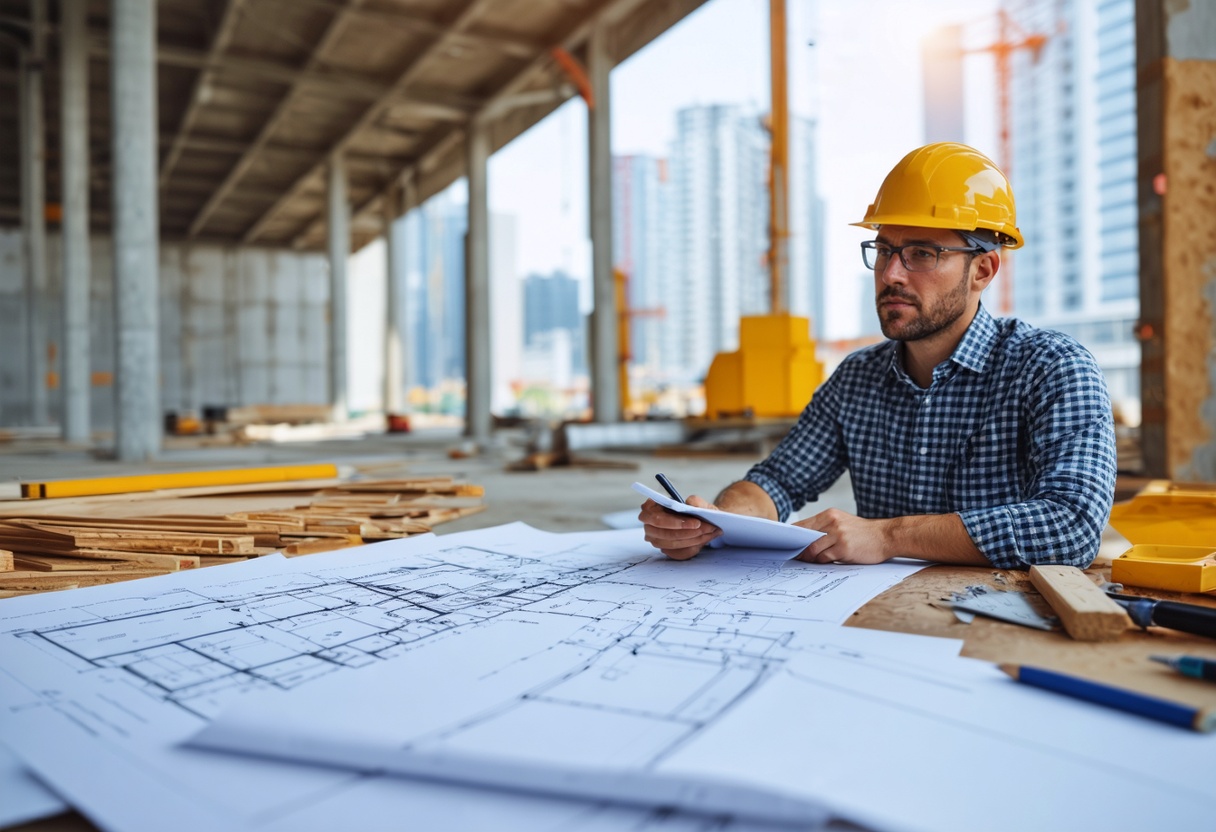
The construction industry has always faced various challenges, and navigating them effectively is vital for success. This article examines the five key challenges in the construction sector and discusses practical solutions to address them. We will also highlight how advancements in technology can enhance construction practices.
Understanding the Construction Industry Landscape
Before addressing the challenges, it’s important to understand the current state of the construction industry. This sector is crucial for economic growth and infrastructure development but encounters numerous hurdles. Factors such as labor shortages, safety regulations, technological advancements, project management, and sustainability concerns significantly impact construction operations.
The construction industry is closely linked with various economic sectors. Projects often require collaboration with architects, engineers, subcontractors, and government agencies, illustrating the complexity of the industry and the importance of effective communication and coordination.
The Impact of Technology in Construction
Technological advancements have transformed many industries, including construction. Online platforms enable builders and suppliers to connect seamlessly, streamlining procurement processes. Virtual marketplaces allow companies to find competitive deals on materials, equipment, and services, leading to cost savings and increased efficiency.
The integration of technology in construction has introduced innovative business models such as online project management tools, digital blueprint sharing, and real-time collaboration platforms. These advancements enhance productivity and foster transparency and accountability in construction projects.
The Current State of the Construction Industry
The construction industry faces numerous challenges that require effective solutions. Understanding these challenges is the first step toward overcoming them. Here are the five key challenges that construction professionals must address:
Identifying the 5 Key Challenges in the Construction Industry
Labor Shortages and Skill Gaps
A major challenge in the construction industry is the shortage of skilled labor. With an aging workforce and a lack of interest among younger generations, finding qualified workers has become increasingly difficult. This affects project timelines and compromises quality and safety. To address this issue, construction companies should invest in apprenticeship programs, vocational training, and partnerships with educational institutions to attract and retain skilled workers.
Apprenticeship programs provide hands-on training and mentorship, allowing workers to gain practical experience. Partnering with educational institutions can create a pipeline of talent, ensuring a steady supply of skilled workers. Offering competitive wages, benefits, and career advancement opportunities can help attract and retain skilled workers, reducing the impact of labor shortages.
Safety Regulations and Compliance
Safety is a critical aspect of the construction industry. Strict regulations and compliance requirements ensure worker and public safety. However, meeting these standards can be challenging due to the complex nature of construction projects. Companies must prioritize safety, provide comprehensive training programs, and regularly update safety protocols to align with the latest regulations.
Training programs are essential for equipping workers with the knowledge to identify and mitigate potential hazards. Regular safety meetings and toolbox talks can reinforce safety practices and promote a safety culture. Investing in advanced safety equipment and technologies, such as wearable devices that monitor vital signs and detect potential dangers, can enhance safety measures and ensure regulatory compliance.
Technological Integration
The rapid advancement of technology has significantly impacted the construction industry. However, many companies struggle with integrating technology into their workflows. Implementing Building Information Modeling (BIM), drones, virtual reality, and automated equipment can improve productivity, accuracy, and project outcomes. Embracing these advancements requires investment in workforce training and the adoption of new practices.
Training programs focused on technology can help workers become proficient in BIM software, drone operations, and virtual reality. Companies can collaborate with technology providers to develop customized solutions for specific challenges. Embracing technology streamlines processes, reduces errors, and enhances collaboration among project teams, improving overall efficiency.
Project Management and Efficiency
Effective project management is crucial for completing construction projects on time and within budget. Managing multiple tasks, coordinating resources, and tracking progress can be overwhelming. Adopting digital project management tools, implementing lean construction principles, and fostering stakeholder collaboration are essential for enhancing efficiency and ensuring project success.
Digital project management tools, such as cloud-based platforms and mobile applications, enable real-time communication and collaboration among project teams. Implementing lean construction principles, such as just-in-time delivery and continuous improvement, helps eliminate waste and optimize resource allocation.
Effective communication and collaboration among stakeholders, including architects, engineers, contractors, and subcontractors, minimizes misunderstandings and delays. Well-structured board meeting agendas also play a key role in aligning these stakeholders, ensuring that strategic decisions, project updates, and risk assessments are discussed in a focused and time-efficient manner. By integrating board-level oversight with project management workflows, organizations can maintain accountability while keeping projects on track.
Sustainability and Environmental Impact
Sustainability is a top priority in the construction industry due to growing environmental concerns. Reducing waste, minimizing carbon footprints, and implementing green building practices are essential for ethical and regulatory reasons. Constructing energy-efficient buildings, using renewable materials, and incorporating sustainable design principles address this challenge and contribute to a greener future.
Construction companies can adopt sustainable practices by using recycled materials, implementing energy-efficient systems, and incorporating renewable energy sources. Prioritizing sustainable design principles, such as passive heating and cooling strategies and rainwater harvesting, can minimize environmental impact. Construction waste management plans and recycling programs can reduce landfill waste and promote a circular economy.
Exploring Solutions for Success
Now that we have identified the key challenges in the construction industry, let’s discuss effective solutions for overcoming them and achieving success.
Strategies to Address Labor and Skill Challenges
To tackle labor shortages and skill gaps, construction companies should collaborate with educational institutions to develop apprenticeship programs and vocational training. By partnering with trade schools and universities, companies can provide hands-on training and mentorship to aspiring professionals. Offering competitive wages, benefits, and career development opportunities can attract and retain skilled workers. Cross-training employees and fostering a culture of continuous learning can enhance workforce capabilities and adaptability.
Ensuring Safety and Compliance in Construction
To ensure safety and compliance, construction companies must prioritize employee training on safety protocols. Regular training sessions, workshops, and drills help employees understand best practices for mitigating risks. Innovative safety technologies, such as wearable devices that monitor vital signs, can provide real-time data to ensure a safe working environment. Regular inspections and audits can identify areas for improvement and ensure compliance with regulations. Encouraging a safety-conscious culture where employees report safety concerns can foster a proactive and safe work environment.
Leveraging Technology for Construction Success
Embracing technology significantly contributes to construction success. Companies should invest in training programs to upskill their workforce and adapt to new technologies. Providing employees with the necessary training and resources ensures a smooth transition to digital tools. Implementing digital project management tools, such as cloud-based platforms, can streamline processes, increase efficiency, and improve project outcomes. Utilizing Building Information Modeling (BIM) for collaboration and visualization, and leveraging drones for site inspections, provides accurate information for better decision-making.
Enhancing Project Management and Efficiency
To improve project management and efficiency, construction companies should adopt lean construction principles. Lean construction focuses on eliminating waste, optimizing processes, and maximizing value. Reliable project management software helps with scheduling, resource allocation, and task tracking to ensure projects are completed on time and within budget. Setting clear goals, fostering effective communication, and regularly reviewing performance metrics can further optimize project delivery and meet client expectations.
Promoting Sustainability in Construction Practices
Promoting sustainability in construction requires a focus on eco-friendly materials, sustainable design principles, and energy-efficient technologies. Incorporating renewable energy sources, such as solar panels and wind turbines, reduces reliance on fossil fuels and lowers carbon emissions. Green building certifications, like LEED (Leadership in Energy and Environmental Design), ensure environmentally responsible practices. Conducting life-cycle assessments helps identify opportunities for improvement and guide sustainable decision-making. Engaging with suppliers who prioritize sustainability and offering eco-friendly options to clients contributes to a more sustainable industry.
By implementing these strategies and embracing new technologies, construction companies can overcome industry challenges and achieve long-term success. A skilled and adaptable workforce, a strong focus on safety, efficient project management, and a commitment to sustainability will help construction professionals thrive in a competitive market.
Transform Your Inventory with Finale
Request a Free consultation (valued at $2,500) and let us tackle your biggest inventory management challenges with Finale Inventory and experience the difference Finale Inventory can make for your business.
